
Ube
PHPurple yam: Dioscorea alata
- Color
- Naturally deep-purple
- Taste
- Subtle vanilla and hazelnut
- Texture
- Full, velvety-smooth
- Use
- Lattes, cakes, ice cream, desserts
They both look purple on Instagram, and their names get used interchangeably, but ube and taro are completely different plants. Time to set the record straight.
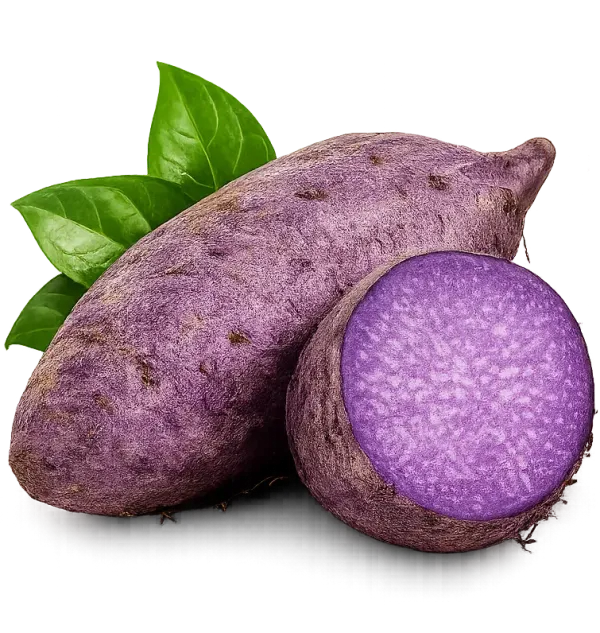 Ube★ PH
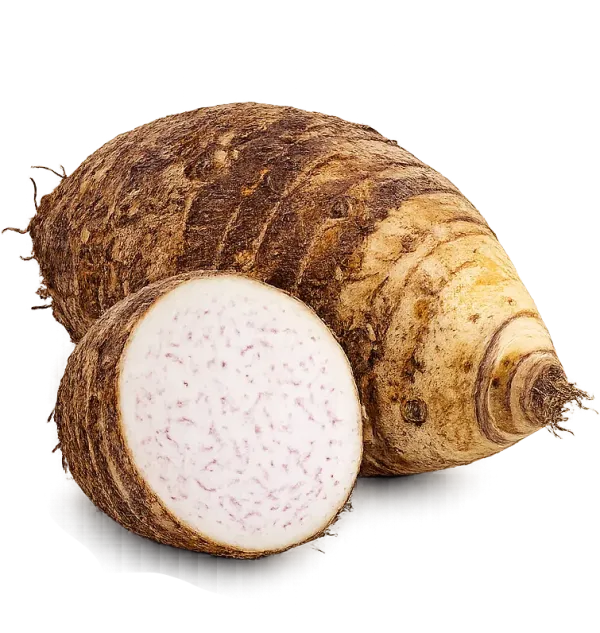 Taro
TaroPurple yam: Dioscorea alata
A whole different tuber: Colocasia esculenta
A third plant: Ipomoea batatas
Purple varieties such as Kinampay are naturally deep purple. Slice a fresh ube in half and the color jumps right at you. Taro has a light cream, beige or pale-lilac inside with purple flecks. Some taro products get their purple color from added coloring.
Ube: naturally purpleTaro: light with flecksUbe has a subtle vanilla and hazelnut flavor. It fits naturally in dessert. Taro is drier, nuttier and earthier. Lovely in savoury dishes or bubble tea, but it lacks the soft, oh-so-round flavor of ube.
Subtle vanilla and hazelnut
Earthier, nuttier, less sweet
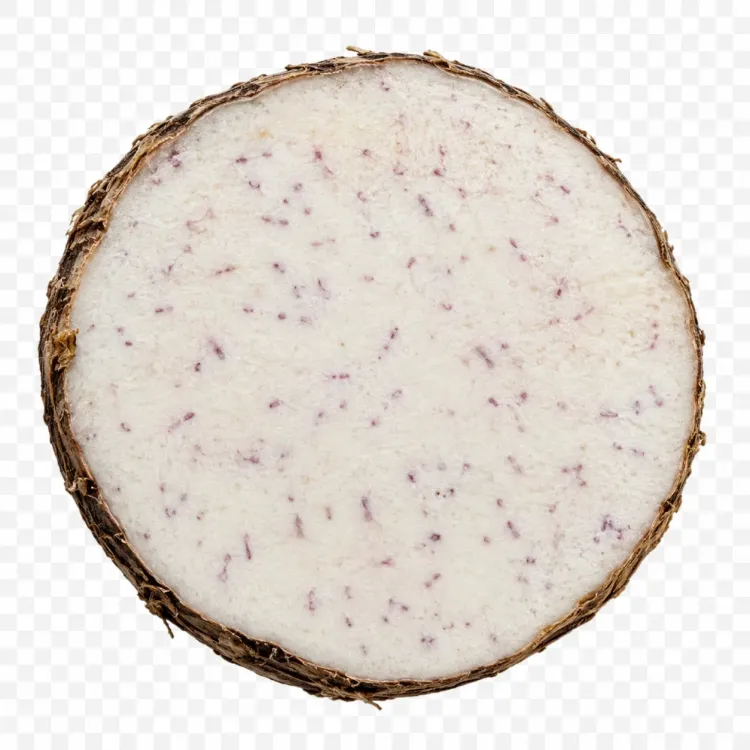
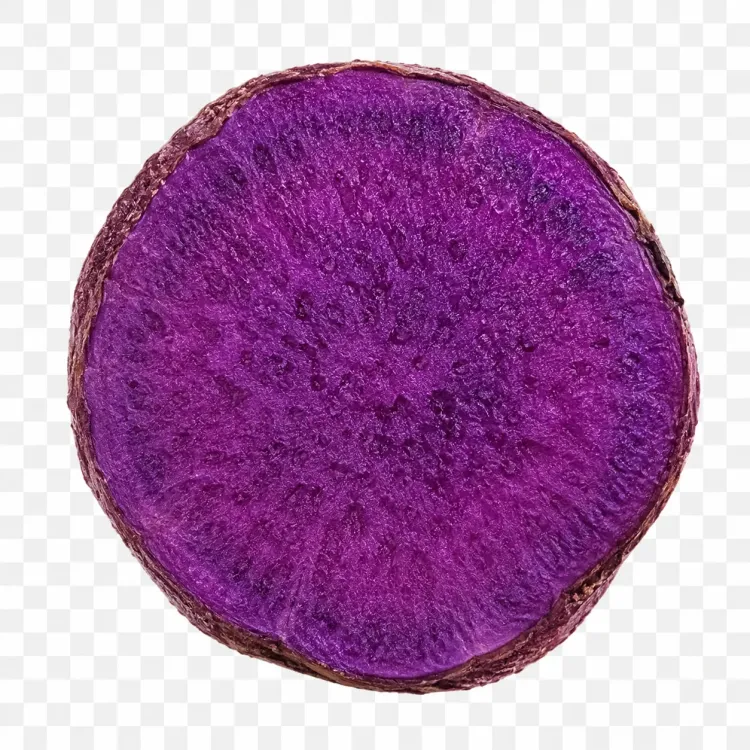
Boiled and mashed, ube turns velvety-soft and full, perfect for folding into whipped cream or cheesecake. Taro stays drier and starchier, closer to a white-potato mash.
Both tubers are at home in Asian cuisine and increasingly show up in the same cafés. The names purple yam, taro and purple sweet potato get used interchangeably in the Western world.
And then there are the powders: some taro products get their purple color from added coloring. The result: people think taro is purple, while on its own it is almost white.
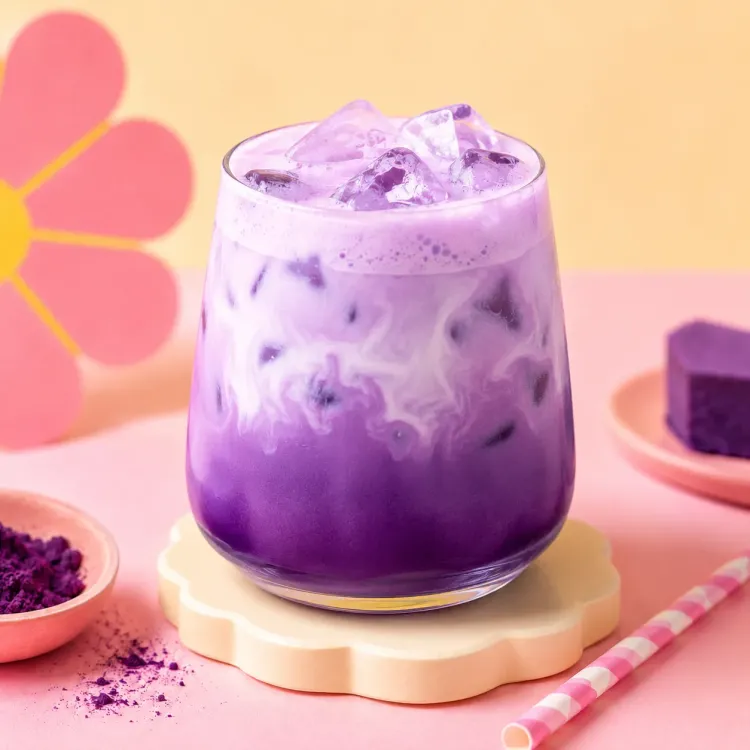
For a purple latte with a subtle vanilla and hazelnut flavor: ube. Mix 10 g Ube Powder with 30 ml warm water and add 150 ml milk. Taro works better in bubble tea with tapioca, where the earthy flavor balances sweet syrup.
Ube Powder from Taste Filipino is 100% ube (purple yam) powder, with no carriers, flavorings or artificial colors.