
Centuries ago
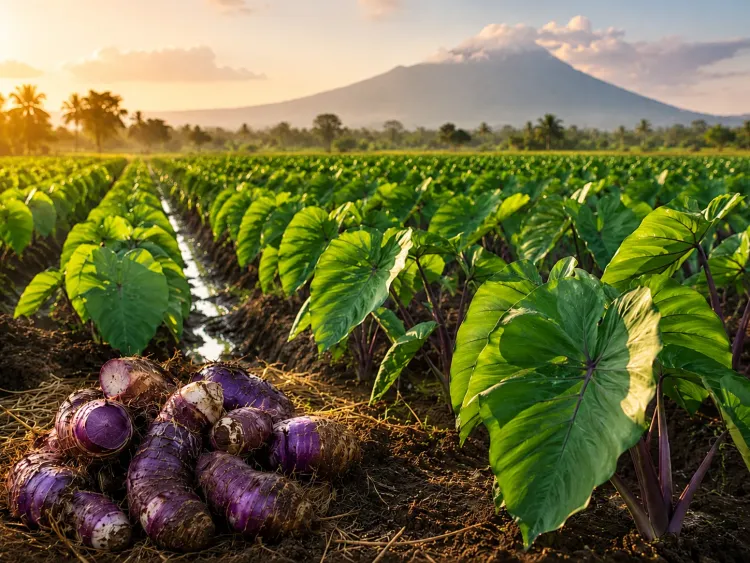
Native cultivation of purple yam in Southeast Asia
Ube looks new on your Instagram feed, but it has been on Filipino tables for centuries. A short journey through time, from Filipino home kitchens to café menus around the world.

Native cultivation of purple yam in Southeast Asia
A staple of Filipino cuisine
For generations in Filipino kitchens
Ube becomes known internationally
On café menus outside the Philippines
Ube (Dioscorea alata) is native to Southeast Asia, with the Philippines at the heart of its culinary history.
There are many varieties; Ube Powder is made from Kinampay.
Ask any Filipino what ube reminds them of, and you won't get a recipe: you'll get a memory. Here are the dishes where ube has belonged generation after generation.
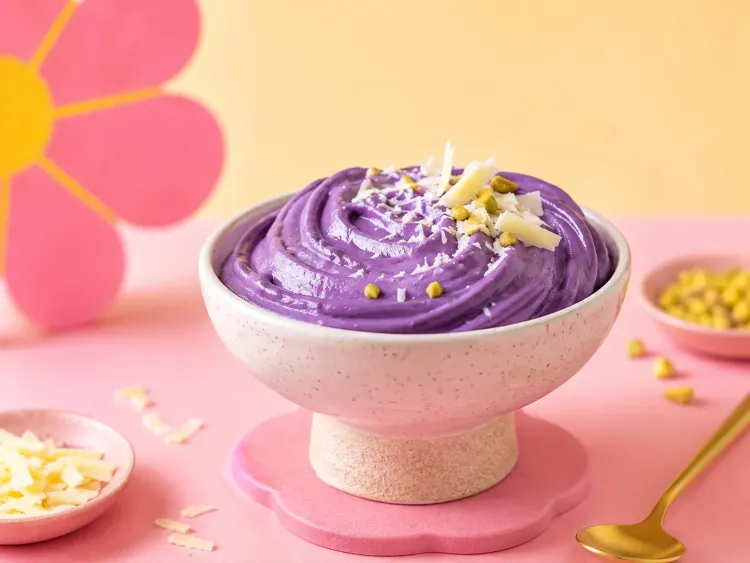
Boiled ube reduced for hours with coconut milk, condensed milk and butter. The grandmother version of dessert.
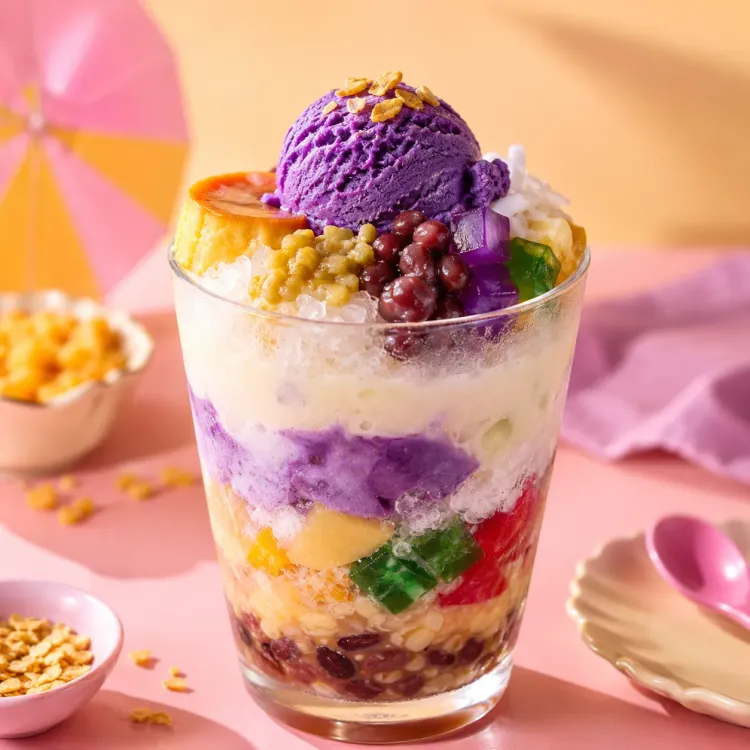
Literally 'mix-mix'. An iced dessert with shaved ice, beans, fruit and leche flan, often with a scoop of ube halaya on top.
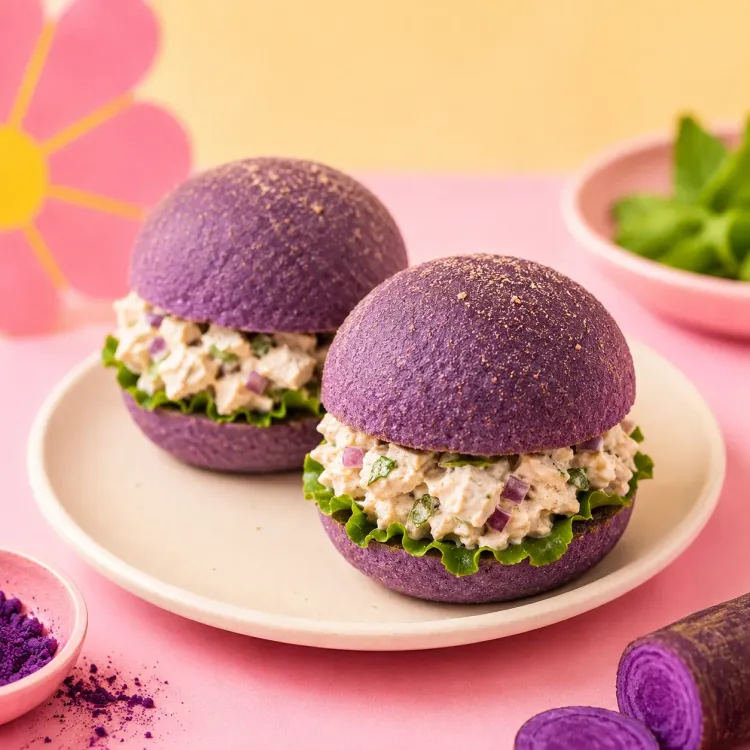
From birthday cakes in Manila to purple rolls in the bakery: ube finds its way into dough and pastry.
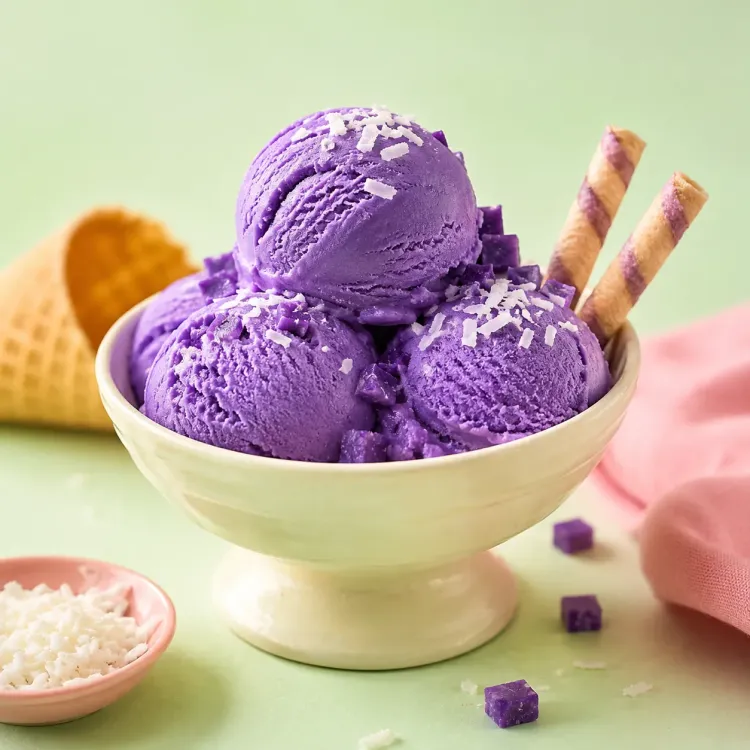
A Filipino summer classic. Creamy, purple and widely sold in the Philippines.
Taste Filipino was founded by a Filipino-Dutch couple: Filipino flavors, packaged for the world.
Until about a decade ago, ube outside the Philippines was mostly known to the Filipino diaspora. First the root travelled in suitcases to family in the US, Canada and Australia. Then came the bakeries. And then came Instagram.
That striking purple color combined with its soft flavor turned ube into an international star. Ube shows up in cafés more and more often.
Taste Filipino brings the flavors of the Philippines into modern kitchens: cafés, bakeries and home cooks in the Netherlands, Belgium, Luxembourg, France, Germany and the United Kingdom. We start with ube, because it is the Filipino flavor the world is discovering right now. More Filipino products will follow ube. Ube Powder is 100% ube: no coloring, no flavoring.
We bring Filipino ube to your kitchen, with more Filipino products to follow. Pre-order now; the expected delivery is shown on the product page.